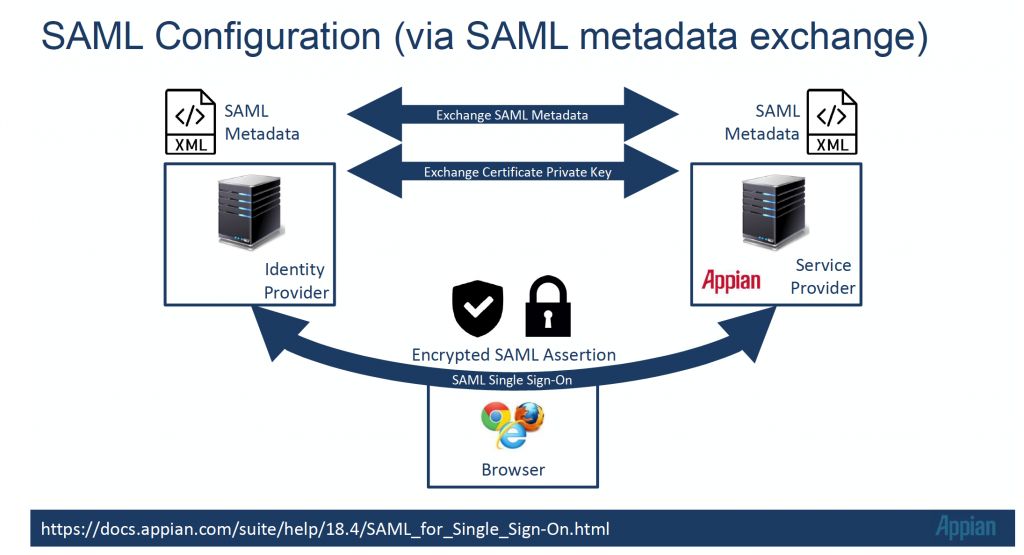
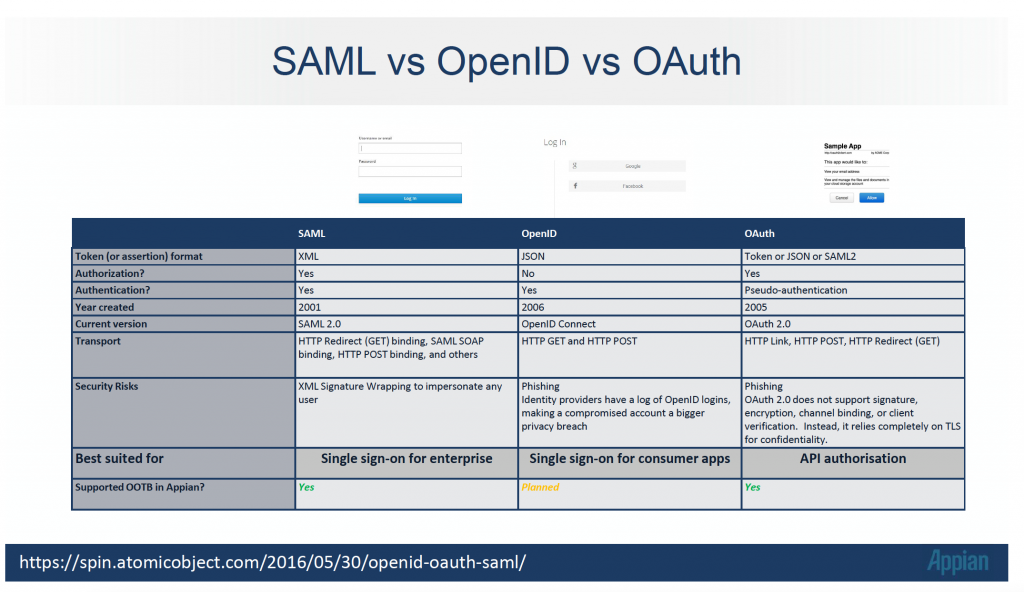
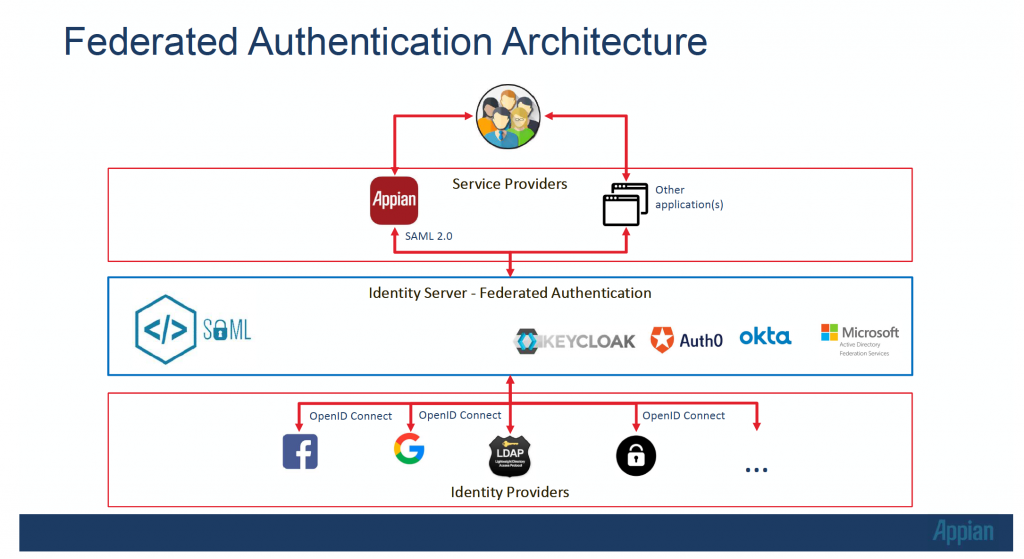
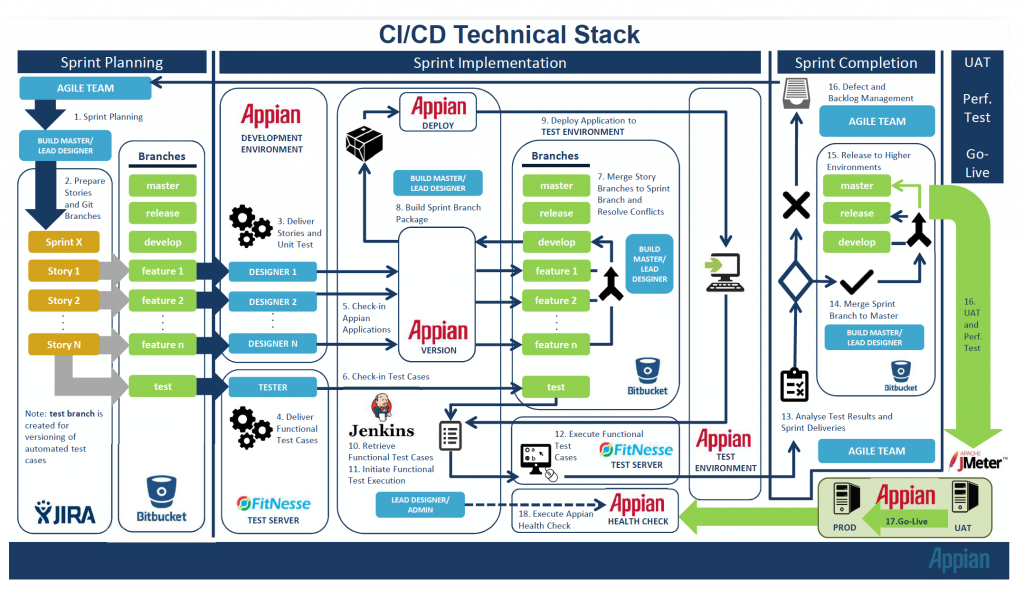
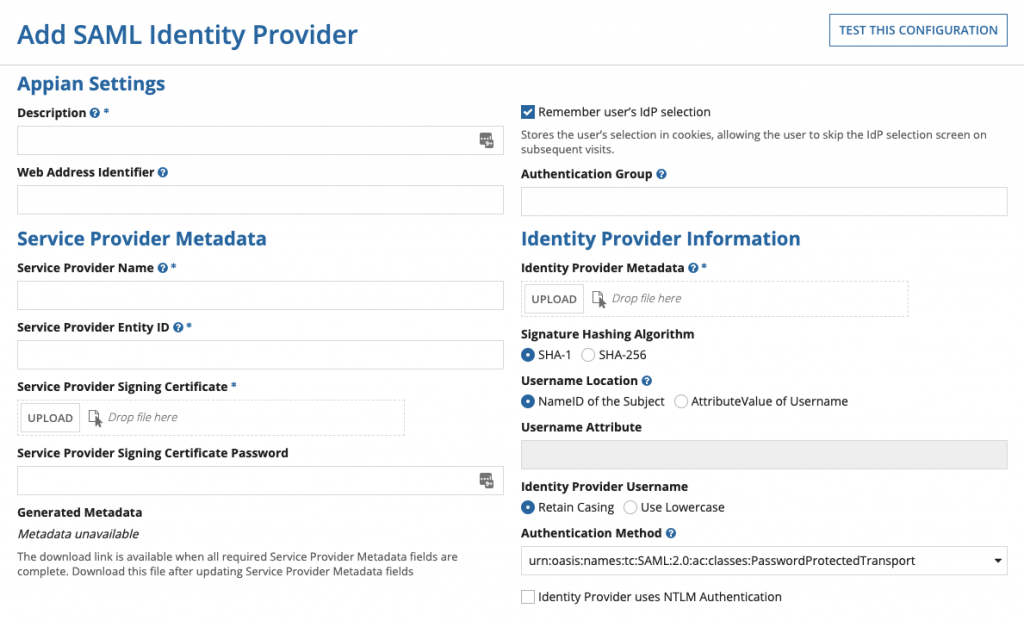
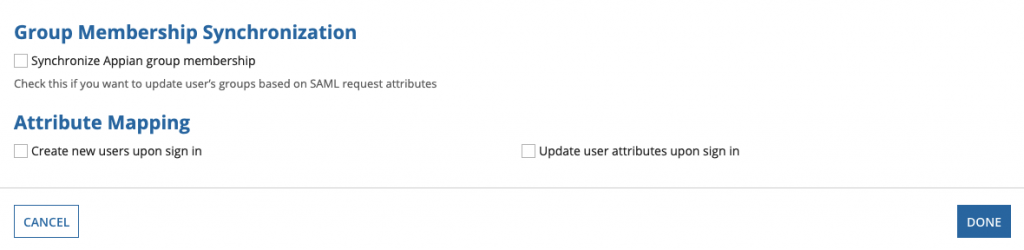
https://docs.appian.com/suite/help/20.2/SAML_for_Single_Sign-On.html
Appian sends email to notify users of task assignments and various alerts. It receives email to start processes and receive process information. Process designers can also configure the Send Email Smart Service to send email from a process application. Before Appian can send or receive emails, however, you must configure Appian to use your email server.
https://docs.appian.com/suite/help/19.4/Mail_Server_Setup.html
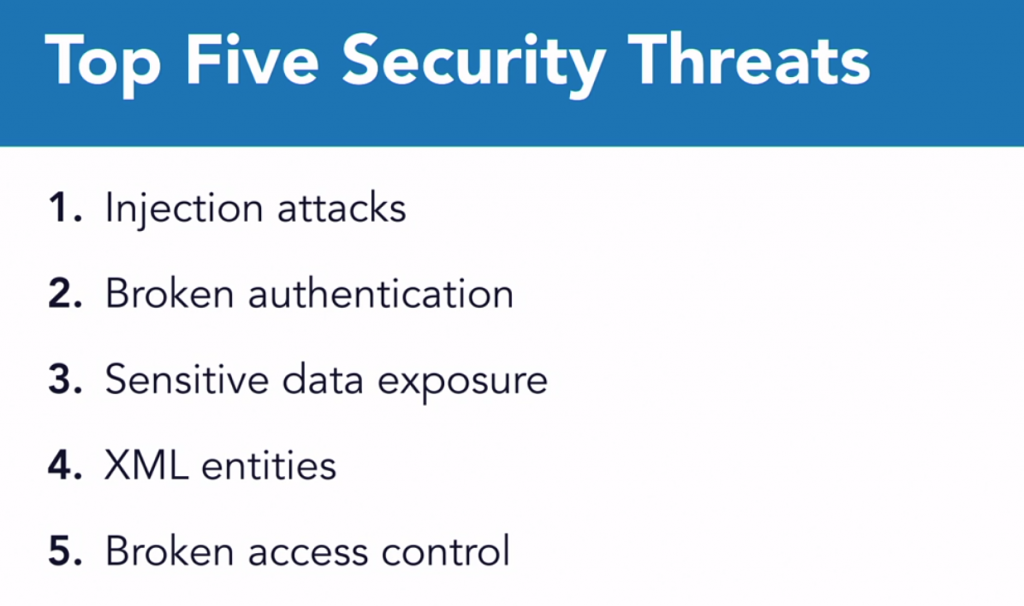
Introduction to0 OWASP – https://owasp.org/
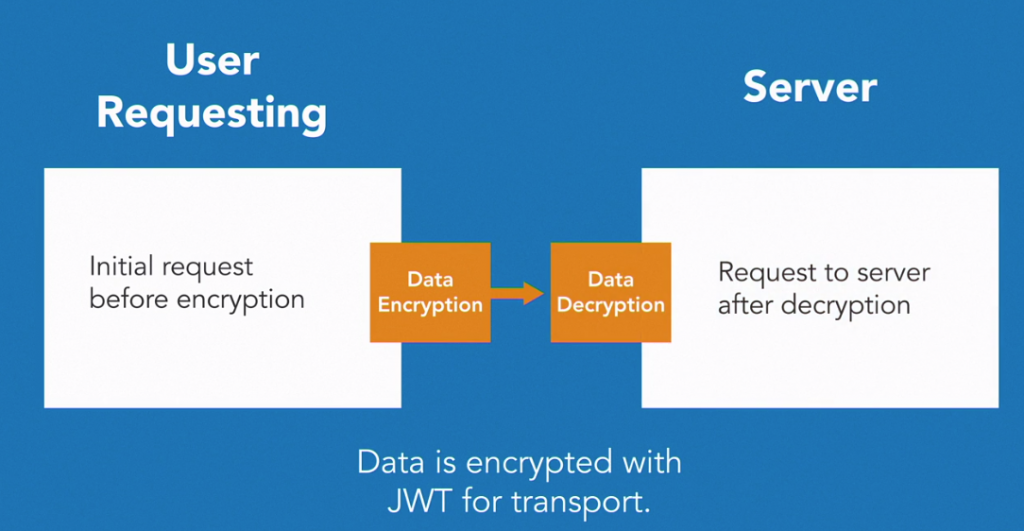
Introduction to JWT – JSON Web Tokens are an open, industry standard RFC 7519 method for representing claims securely between two parties. JWT.IO allows you to decode, verify and generate JWT.
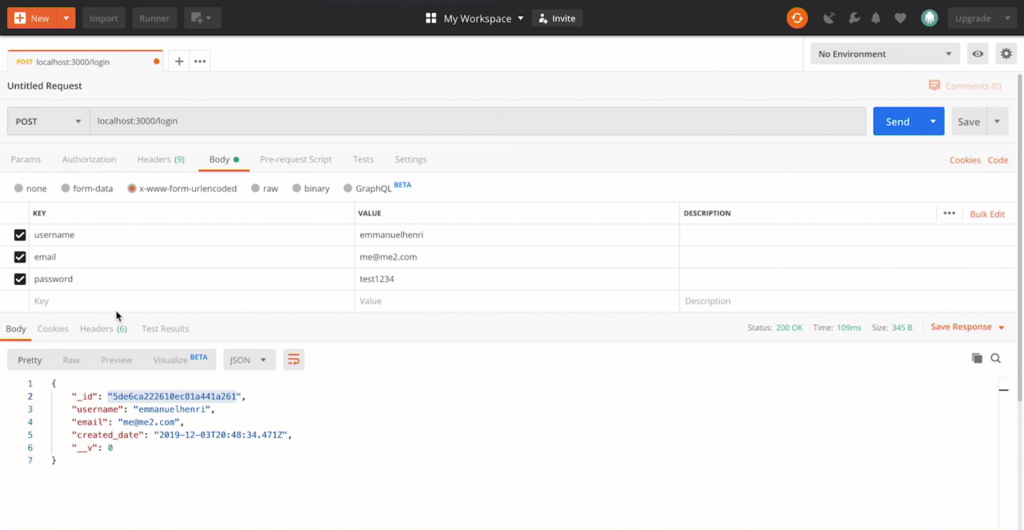
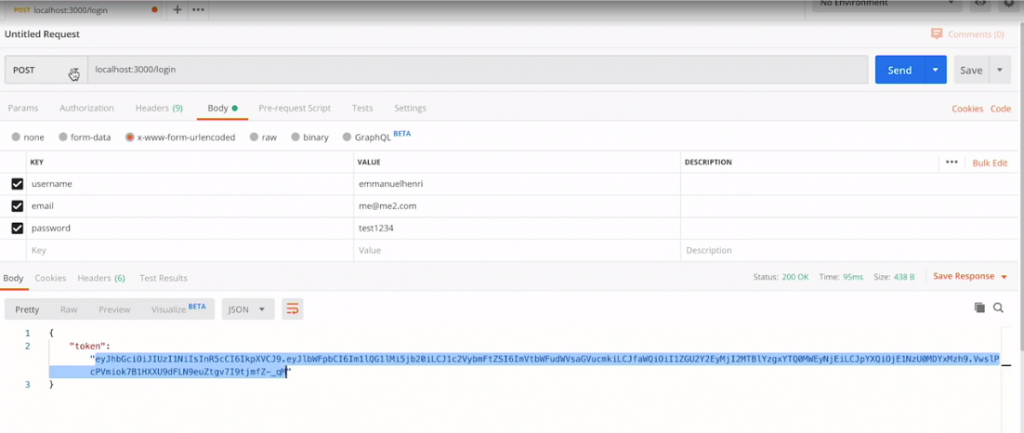
APIs are a crucial business driver for delivering data to your applications. In this course, learn about various options for securing your RESTful API that can help you keep your application data—and your users—safe. Instructor Emmanuel Henri begins the course with an overview of top security threats and an introduction to the Open Web Application Security Project (OWASP), an important resource on security. He then steps through how to set up and secure a Node and Express API, including how to add handlers for registration and login, finalize secured endpoints, and test your finalized API. To wrap up, he shares a few alternatives for securing APIs.
• Hands on experience with core java and have exposure in java collection framework, OOP and design patterns
• Hands on experience with Working on any automation frameworks involving Java such as Cucumber JVM/JBehave/Junit/TestNg
• Hands on experience with using build tools such as Ant/Maven/Gradle
• Hands on experience on using Continuous integration systems like Jenkins
• Hands on experience with any form of IDE such as Intellij/Eclipse/Netbeans
Develop automated test case using Selenium, Cucumber and other open source automation tools.
Work in an Agile environment using Scrum and Kanban methodologies
Identify testing infrastructure needs to for the testing team and software developers
Job Responsibilities:
• Working with the team to define the architecture, design, development, code review, testing, and maintenance of applications.
• Along with the Product Owners, as part of the team, define feature requirements and deliver a product that materially impacts the business and improves the end user experience.
• Maintain and improve the code quality.
• Design and implement scalable applications and services and continuous integration and deployment.
• Develop and maintain various internal tools that manage a number of different aspects of the business.
• Work closely with teams to form good working culture and continuously adapt to different working environment.
• Familiarity with at least one (1) of the following:
JVM based languages such as Java and/or Kotlin,
Web application languages such as HTML,
CSS,
JavaScript and/or TypeScript, Mobile development languages such as Kotlin,
Swift and/or Dart
• Knowledge of Source Code Management tools such as Git.
• Awareness of “Clean Code” and clean coding practices.
• Test Driven Development and ability to design Unit, Integration and Functional tests.
• Must demonstrate strong familiarity of Design Patterns.
• Familiar with different persistence storage technologies such as RDBMS and No-SQL.
• Good written and verbal communication skills
• Result oriented, dedicated, hardworking, can work on own initiative and deliver on time with a high level of integrity and flexibility, sense of urgency, attention to detail and quality standards.
free -m
free -h
du -h
df -h
https://opensource.com/article/18/7/how-check-free-disk-space-linux
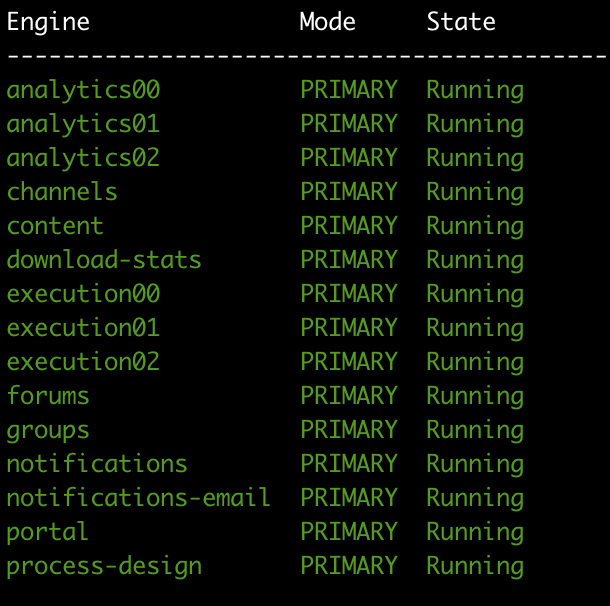
The Appian engines are in-memory, real-time databases based on KDB and the K language. The engines provide extremely fast storage and retrieval of data and also contain low level logic for high volume operations like security and group membership checks.